Smoke Odor Treatment
Smoke Odor Neutralization in Decatur
Ask about treatment for persistent smoke odor. Get a Free Estimate
Smoke Odor Treatment
Ask about treatment for persistent smoke odor. Get a Free Estimate
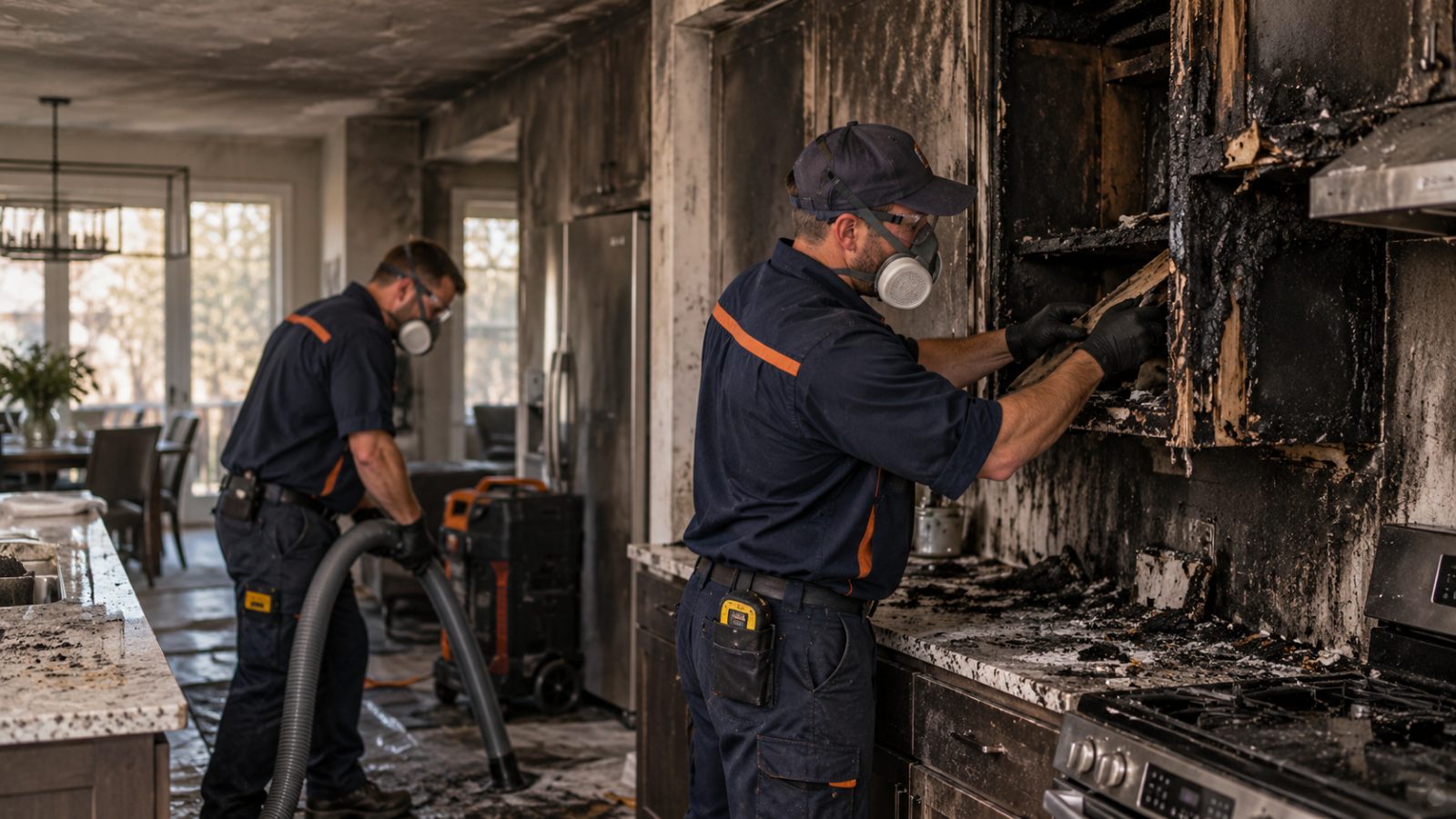
Smoke odor neutralization is most effective when it is part of a broader cleanup process. If soot and contaminated materials are still present, treating the air may only reduce the smell temporarily. Our work in Decatur and Macon County begins by checking whether the obvious and less-obvious smoke sources have already been addressed.
Once physical contamination has been reduced, odor-neutralization methods can be selected for the remaining conditions. The goal is not to overpower the smell with fragrance. It is to reduce or neutralize the compounds that continue producing the odor and identify any materials that still require additional attention.
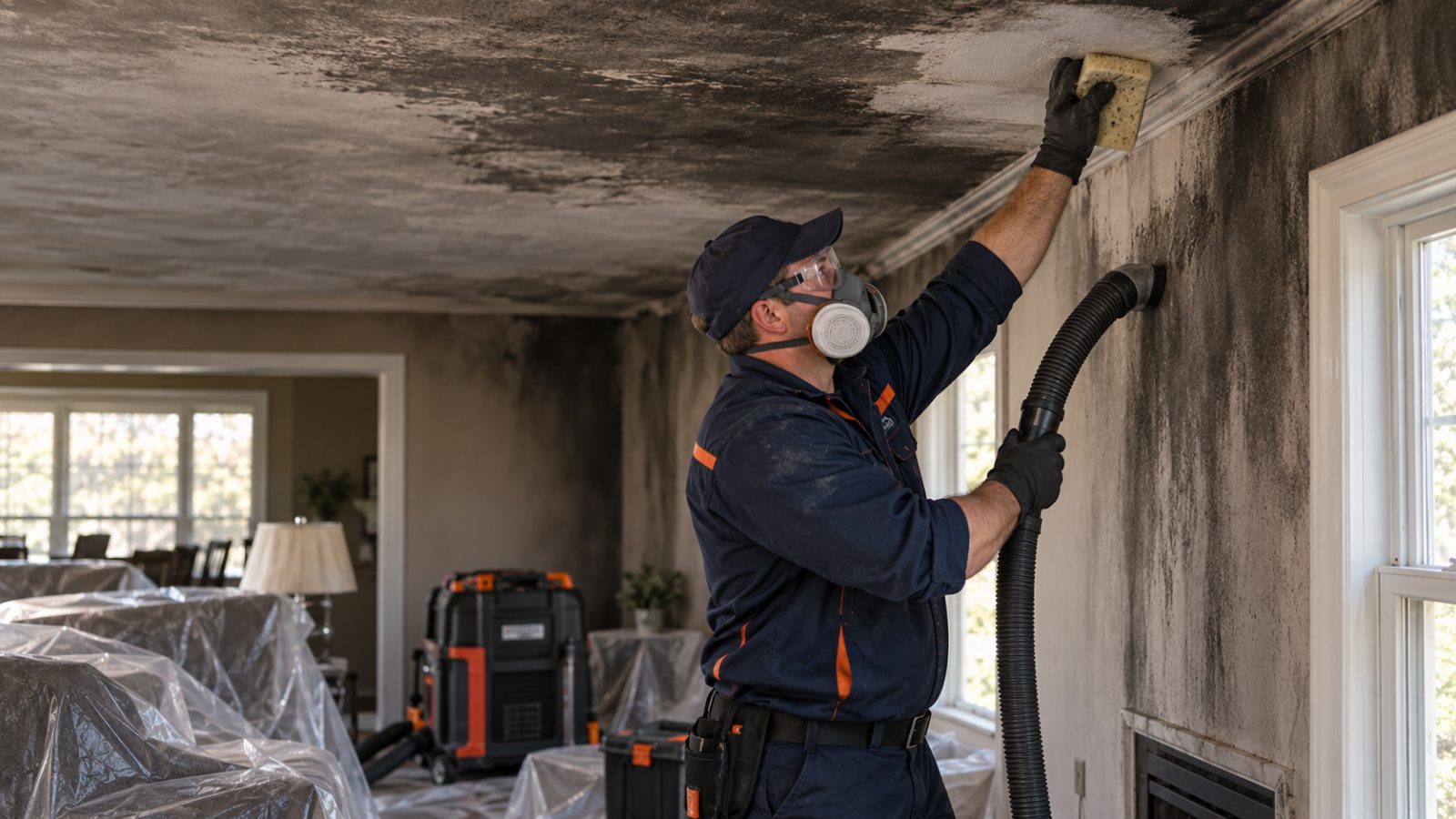
Neutralization is usually one stage of smoke restoration rather than a substitute for cleaning. We use it after considering the source, affected materials, and the progress already made through residue removal.
After soot has been removed from accessible surfaces, some residual smoke odor may remain in the air or in materials that absorbed smoke. This is the point where targeted odor treatment can become useful. The treatment method depends on the building, the type of smoke event, and the materials involved. We avoid treating odor as a single generic problem because the source determines what is likely to work.
Enclosed spaces can hold a stronger smoke smell than open rooms. Cabinets, closets, storage areas, and utility spaces may contain residue on surfaces or belongings even when surrounding rooms have improved. These areas are evaluated individually. Cleaning interior surfaces and addressing stored contents may be necessary before odor-neutralization treatment can provide a lasting result.
Unfinished wood, fabrics, carpet, padding, insulation, and other porous materials can retain smoke compounds below the surface. Some may respond to treatment, while others continue releasing odor after repeated attempts. We consider whether additional deodorization is likely to help or whether sealing or removal is the more practical long-term option.
Sometimes a property is repainted before smoke contamination is fully addressed, and odor later returns. Fresh paint can improve appearance without necessarily removing residue or odor sources beneath or around it. In those situations, the property may need a closer review of remaining materials and hidden areas rather than another layer of ordinary paint.
If odor remains after treatment, we revisit the likely sources instead of repeatedly adding deodorizer. A persistent smell often points to a contaminated material or location that still needs attention. Finding that remaining source can be the difference between temporary improvement and a more durable restoration result.
| Service | Estimated Cost | Average |
|---|---|---|
| Single-room treatment | $250-$750 | Varies by odor source |
| Multi-room treatment | $750-$2,500 | Varies by materials |
| Extensive odor treatment | $2,000-$6,000+ | Varies by property |
These broad ranges assume the underlying cleanup needs are evaluated separately. Severe contamination, material removal, sealing, or additional restoration can increase the total project cost.
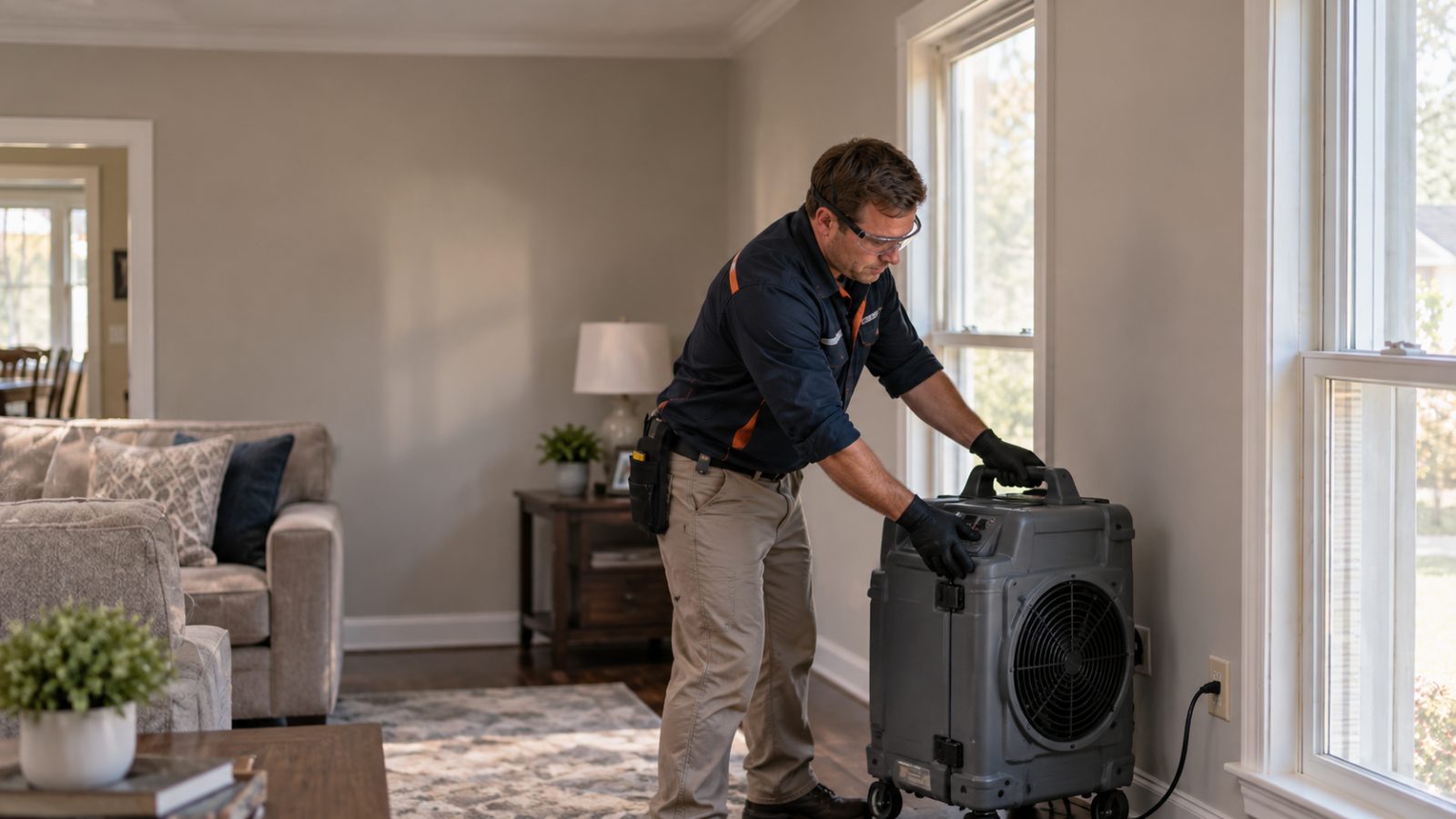
We treat neutralization as part of source control rather than an attempt to simply cover an unpleasant smell.
Remaining soot and contaminated surfaces are considered before odor-treatment options are selected.
If smell returns, we look for the remaining source instead of automatically repeating the same treatment.
Our team provides smoke odor help throughout Decatur and neighboring communities in the county.
If smoke odor remains after ordinary cleaning, tell us what happened and where the smell is strongest.
Free — no obligations
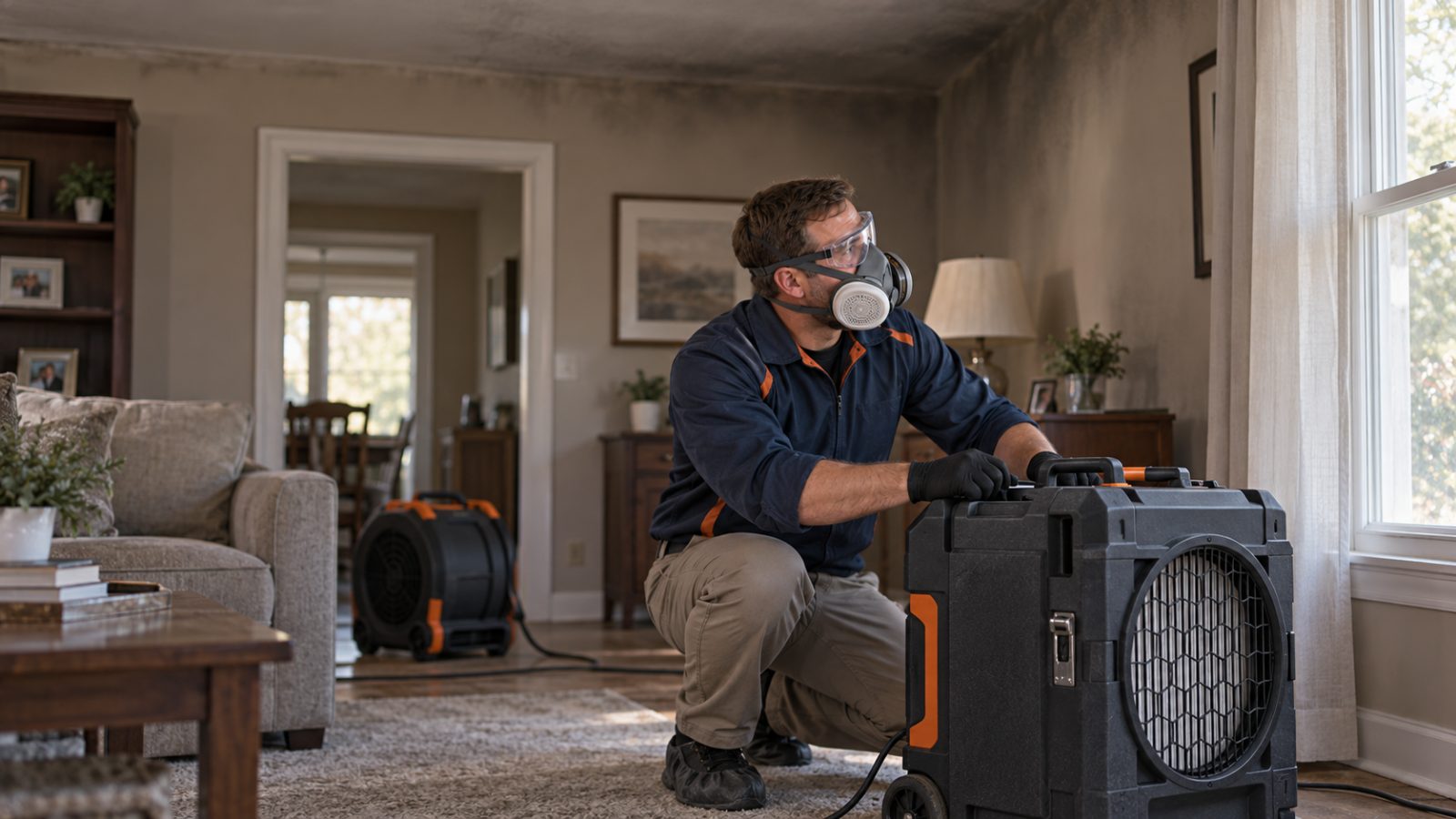
We determine what has already been cleaned and where smoke contamination may still remain.
Porous materials, enclosed areas, contents, and unfinished surfaces are considered as possible sources.
Accessible residue is addressed before neutralization methods are relied upon.
Odor treatment is selected according to the property and remaining source conditions.
Any remaining odor is traced back to materials or spaces that may require further cleaning, sealing, or removal.