Fire and Smoke Recovery
Fire and Smoke Damage Restoration in Decatur
Start planning the cleanup and restoration. Get a Free Estimate
Fire and Smoke Recovery
Start planning the cleanup and restoration. Get a Free Estimate
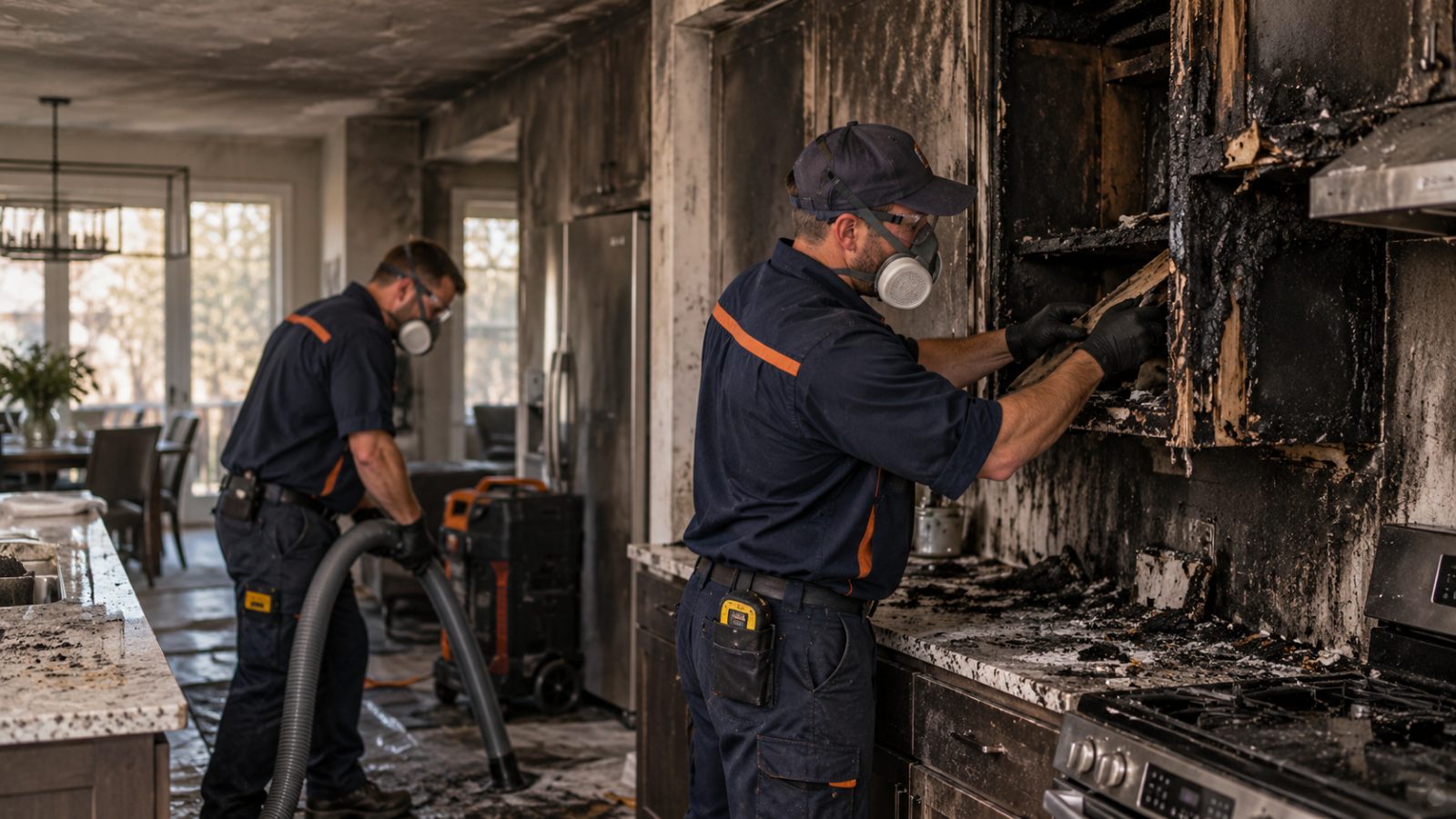
Even a relatively contained fire can create several different restoration problems at once. There may be directly burned materials near the source, soot throughout surrounding rooms, persistent odor in porous surfaces, and areas that need repair after cleanup is complete. Fire & Smoke Damage Restoration brings those issues into one organized recovery plan for properties throughout Decatur and Macon County.
The first goal is to understand the extent of smoke and material damage. Once conditions are assessed, work can move through cleanup, odor control, removal of unsalvageable materials, and planning for repairs or finishes. Keeping those steps in the right order helps reduce duplicated work and avoids covering contamination that should have been addressed first.
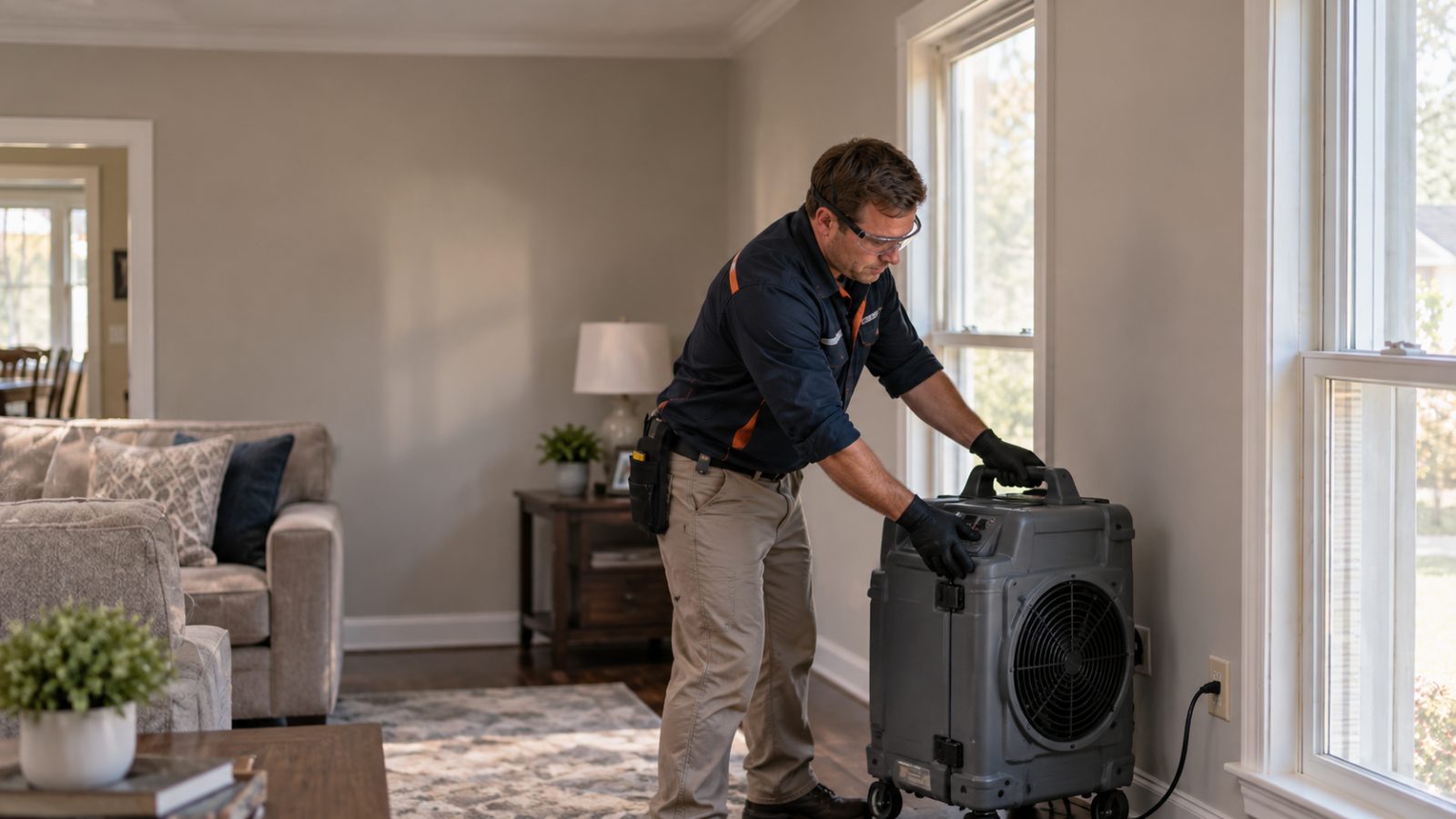
Every fire is different. Restoration needs depend on the size of the incident, what burned, where heat and smoke traveled, and how much of the building was exposed.
We begin by separating direct fire damage from secondary smoke damage. The area nearest the fire may have charred or heat-damaged materials, while adjoining rooms may have primarily soot and odor concerns. Understanding those differences helps establish priorities. Materials that are physically damaged may need removal, while smoke-affected areas farther away may be candidates for cleaning and deodorization.
Smoke deposits can vary throughout the building. Surfaces near the fire may have heavy, sticky residue, while distant rooms may show a fine film that is easy to overlook. Cleaning is organized by material and contamination level so soot is removed before finishing work begins. This stage can include walls, ceilings, trim, cabinetry, flooring, fixtures, and suitable contents.
Some materials cannot be restored because they have been burned, warped by heat, structurally damaged, or deeply contaminated. Removing those materials can also help eliminate odor reservoirs that would otherwise remain inside the property. We focus on practical removal decisions rather than automatically discarding everything in a smoke-affected area.
Fire odor can persist even after a room looks clean. Remaining soot, porous materials, contents, cavities, or unfinished surfaces may continue releasing odor. Odor work follows source removal and cleaning. Depending on the property, additional deodorization or sealing may be appropriate before final repairs and finishes are completed.
Once contamination has been addressed, the property may need drywall repair, painting, trim work, flooring replacement, cabinetry work, or other finishing steps. The exact scope depends on the fire and the materials that could not be restored. We help property owners understand how cleanup connects to the repair phase so decisions can be made in a logical order.
| Service | Estimated Cost | Average |
|---|---|---|
| Contained fire and smoke cleanup | $1,000-$4,000 | Varies by affected rooms |
| Moderate restoration project | $4,000-$15,000 | Varies by repairs |
| Extensive fire and smoke damage | $15,000+ | Highly project dependent |
Fire and smoke restoration costs vary significantly based on direct fire damage, smoke spread, materials, contents, odor, demolition, and required repairs. These figures are only broad planning ranges.
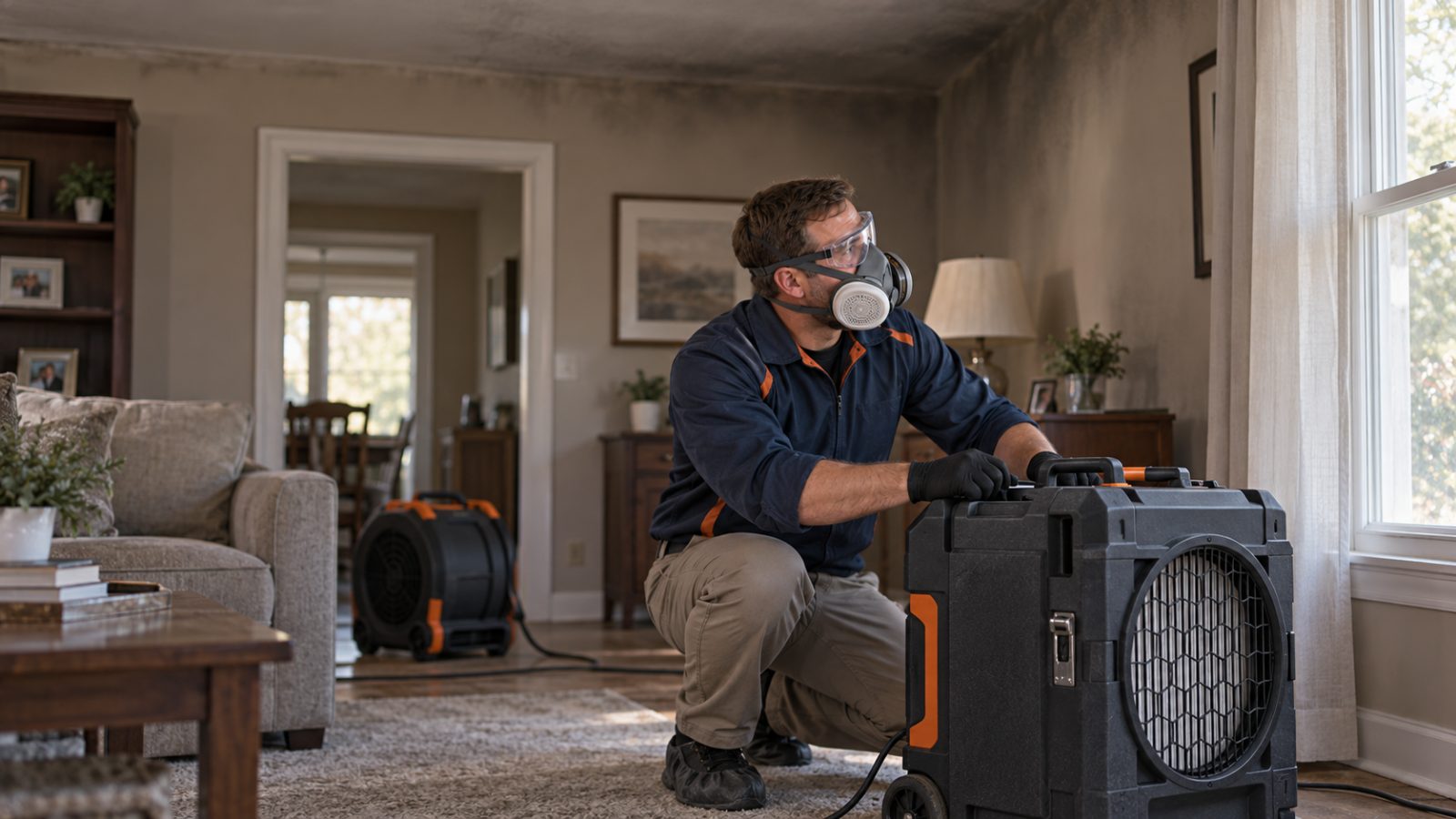
We focus on residue and odor sources before cosmetic repairs are used to close up affected areas.
Burned materials, lightly sooted surfaces, and porous odor reservoirs are evaluated separately.
We help organize the work from assessment through cleaning, material decisions, deodorization, and repairs.
We serve Decatur and smaller communities across Macon County with a practical, property-by-property approach.
For fire and smoke damage in Decatur or Macon County, describe the incident and the affected areas to request an estimate.
Free — no obligations
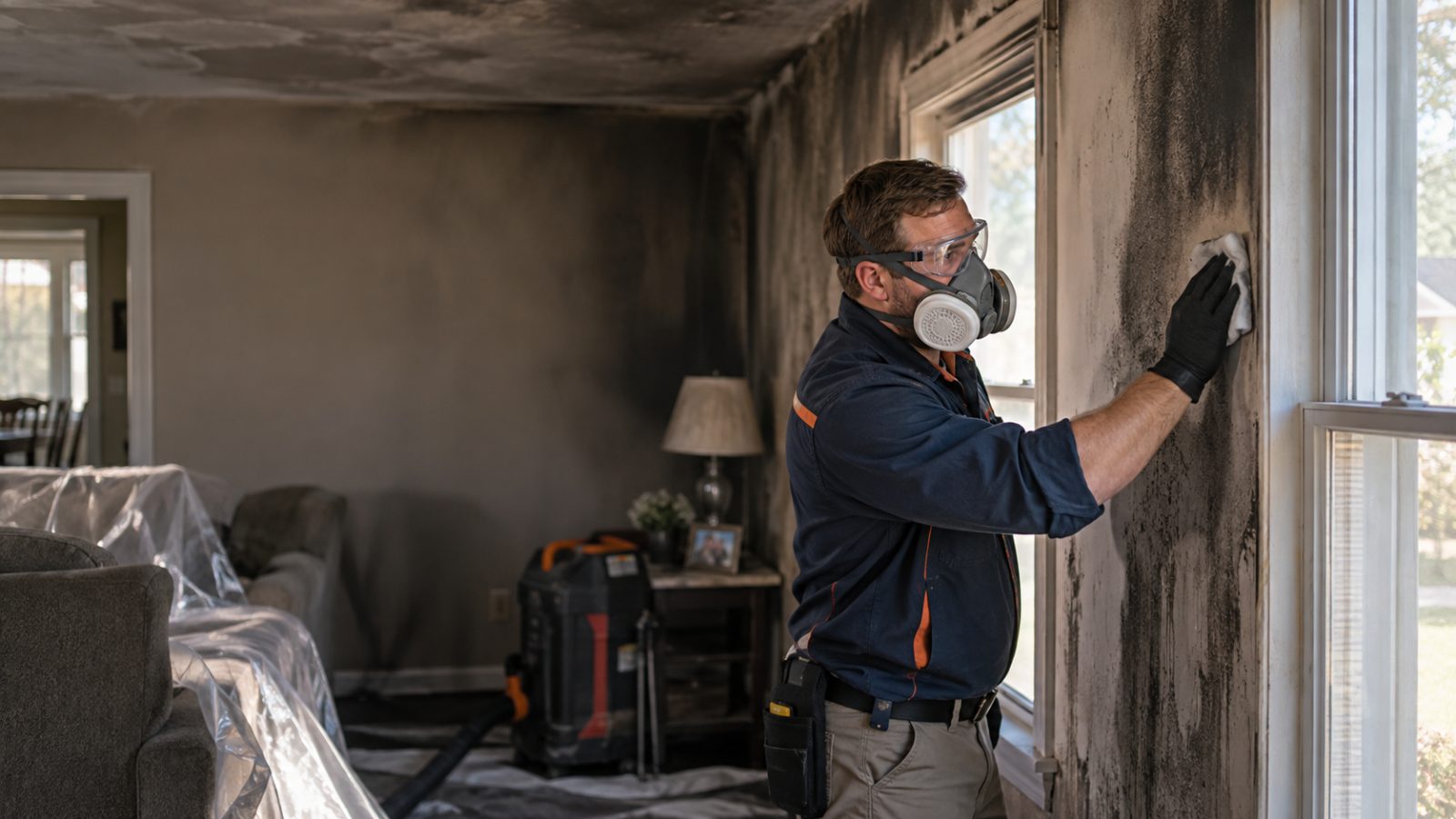
We identify direct fire damage, smoke spread, soot levels, odor concerns, and materials that need closer evaluation.
Areas are organized according to contamination, condition, and the type of work needed.
Restorable surfaces are cleaned while materials that cannot reasonably be restored are identified for removal.
Remaining odor sources are treated after the main residue has been reduced.
The final stage focuses on sealing, refinishing, or replacing materials as appropriate for the property.